
YOUR BRAND NEEDS AN ENEMY
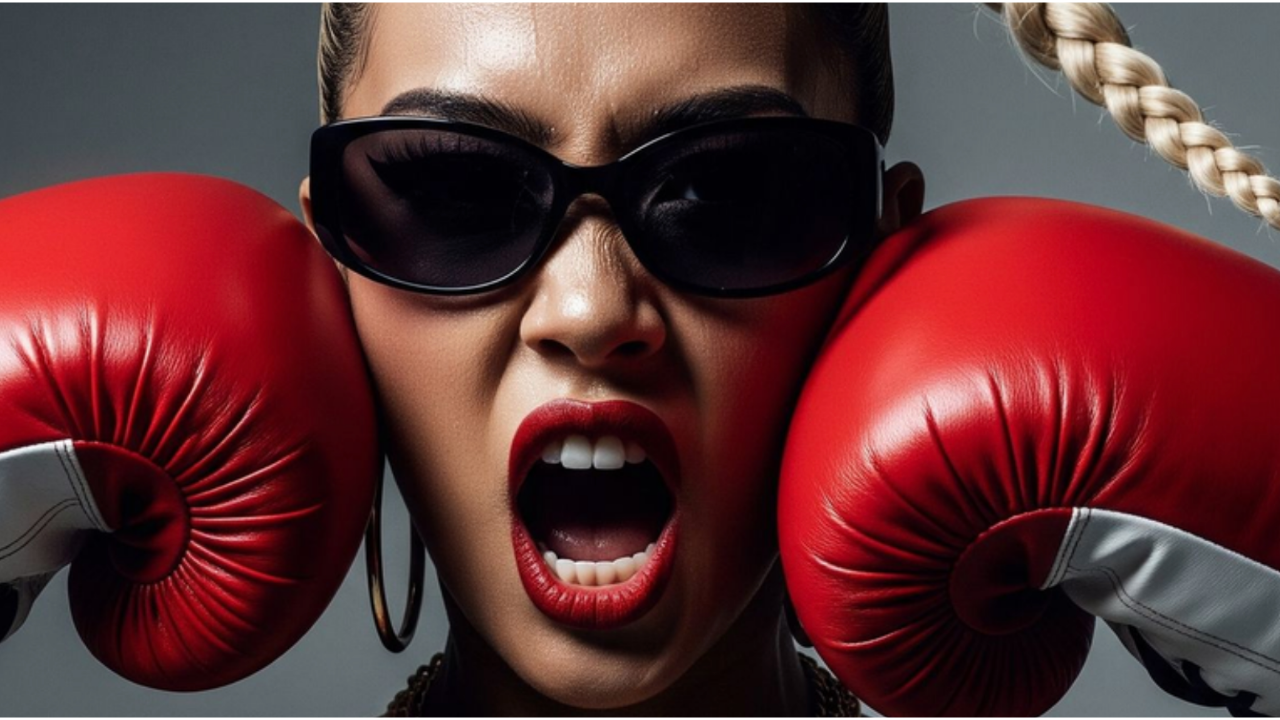
By Nic Bryant, SXWA Founder + PR, Partnerships, Experiential Expert
Every Thursday, THE BOARD brings you industry insights from our Members to your inbox.
WHY BRANDS NEEDS CONFLICT
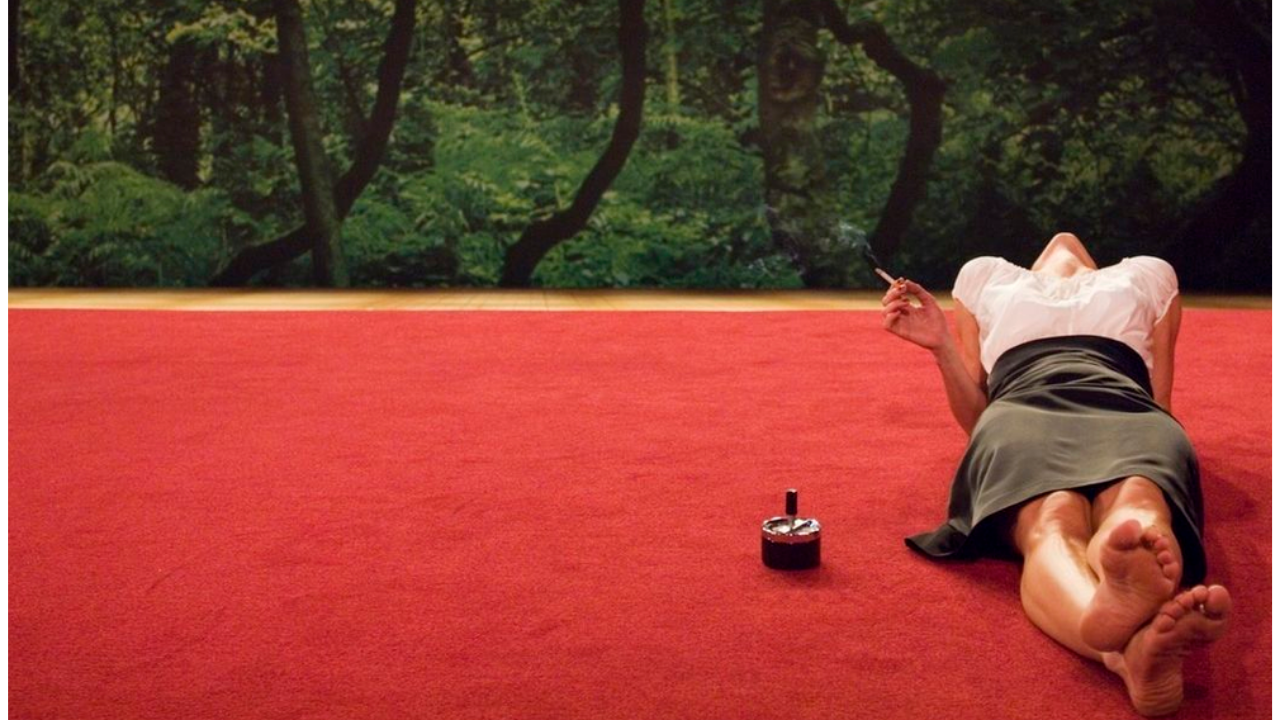
Imagine a friend is telling you about their vacation. The hotel was gorgeous, the flight turbulence-free, they had exactly zero fights with their husband around where they took a wrong turn navigating (couldn’t be me). That sounds lovely—but also honestly, isn’t it just the most boring mundane story you've ever sat through? You won't remember it. You definitely won't repeat it. Because there's no tension, no conflict, nothing unexpected. Just a perfectly pleasant series of events that disappears from your frontal lobe the moment they stop talking.
Now think about the last piece of gossip that spread through your group chat. Chances are it had tension, stakes, or just an element of something weird worth talking about. Conflict is an essential part of storytelling, and as a brand, you want people connecting to your story.
This conflict is the enemy your brand needs to build a memorable brand identity. The enemy clarifies your POV, sharpens your voice, gives your audience something to rally around. Maybe it's self-doubt (Nike), maybe it's an industry built on telling women they aren't enough (Dove), maybe it’s allowing kids to develop healthy attention spans (Meta - I digress). The enemy doesn't have to be dramatic (although I’d say it’s even better if it is) and it doesn’t have to be a person or beef with another brand (although brands like Wendy's have built entire social strategies trolling their competitors). It just has to be real, a tension that exists in the world that your brand was built to resolve.
Psychologists have found that shared dislike bonds people more quickly and more intensely than shared interest (9 out of 10 politicians love this trick). The enemy can be an outdated belief, a bad habit, or a common problem your consumer faces, or something that goes against what your brand cares about. It has to be something your audience already feels, even if they haven't totally named it yet and it can’t be a problem your entire industry is facing across the board; it needs to be personal.
THE RISE OF PERSONALITY BRANDS
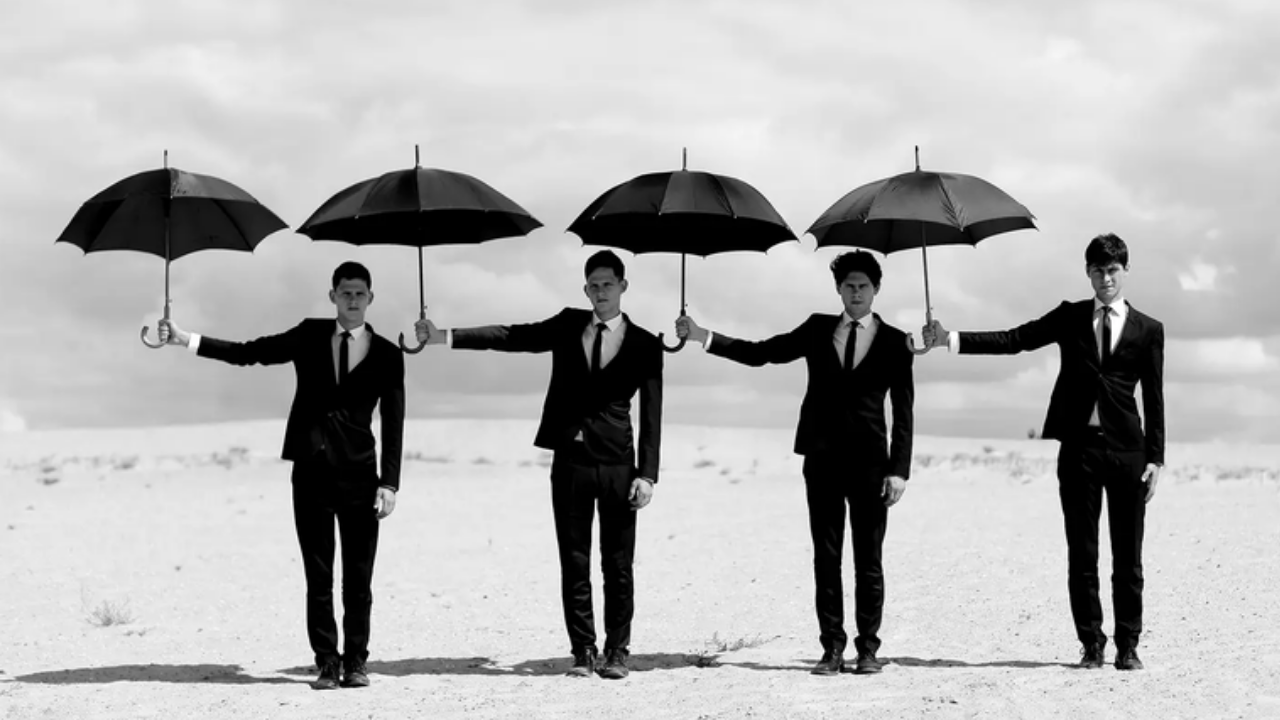
The best brands take this idea of the enemy a step further. They don't just resolve the tension…they embody it, building entire personalities around it. They have opinions. They turn off some people. They are impossible to confuse with anyone else. This is why personality brands tend to stick in our minds. Think Red Bull, Duolingo, Ben & Jerry's who have all achieved peak memorability and become part of the culture. Brands that consistently show up with a recognizable voice and a clear point of view are rewarded by both human memory and by the AI systems now shaping how we discover everything (according to AdAge, generative search engines trawl for a consistent, recognizable POV across third-party signals, social platforms, and earned media).
ENEMIES ARE NOT RIVAL BRANDS (UNLESS YOU’RE A CHALLENGER BRAND)

When a competitor enters the market, the instinct is to panic, but more competitors entering your space is a two-sided coin. Yes, it's more competition. It's also a validation. It means the market is real, the appetite is growing, and other organizations see enough potential to bet on it. Competition grows the market. It educates the consumer. It creates cultural conversation around a category that wouldn't exist if you were the only one talking about it. You only have to look at the recent rise of menopause and intimate health brands to see that.
Some of your most interesting growth opportunities might be sitting right next to your so-called rivals. The collab economy of the last two years has proven that brands in adjacent or even overlapping spaces can open doors together that neither could push through alone.
FINDING YOUR ENEMY

You can think about your enemy by considering your cause - what you stand for and what gets in the way of that stand. Start with what your brand exists to fix, challenge, or disrupt. If your brand was a character, what or who would give them the ick.
Keep in mind the most enduring brand communities are built on both cause and enemy. The enemy gets people through the door. The cause makes them stay. Dove didn't just say "we celebrate real beauty"—they named the beauty industry as the antagonist. The cause alone wouldn't have traveled nearly as far without the enemy (impossible standards) to push against. Liquid Death didn't just say "we love plastic free water"—they named boring, corporate, wellness culture as the thing they exist to destroy. The cause is eco-friendly hydration. And Patagonia has both—environmentalism as a cause, fast fashion and corporate indifference as enemies—which is why they're one of the most loyal brand communities on earth.
The formula isn't complicated, but it is surprisingly rare, and that’s because it requires brands to actually stand for something, and against something, out loud. It should make some people uncomfortable (you know you’ve done it right if it ignites a heated debate with the C-Suite), it should make your audience feel seen, and iIt should give journalists a story with stakes. And it should be consistent— showing up in your campaigns, your casting choices, your events, your partnerships, and your responses when things go wrong.
https://www.instagram.com/reel/DcTY9sCR-uA/?igsi=ajB4a2FhaHYwc3Vk
Worth noting (save this tidbit for when you’re vehemently defending your suggestion with the fence-sitting members of your team): A clearly defined enemy doesn’t just support exposure and memorability and unite loyal brand communities, turning them into super fans..it also creates a brand that's much easier to defend in a crisis. You have a track record, a voice, a community that knows what you stand for. Brands that try to please everyone have nothing to stand on when the internet turns on them.
P.S. Dating and business advice: The goal isn't to be loved by everybody. It's to be wholly unforgettable to your people.
Access to this expertise starts here: www.wearetheboard.co
THE BOARD sits at the intersection of Brand, Business, and Culture—offering fractional leadership, project-based experts, and curated teams to help you move faster, smarter, and with far less risk. info@theboard.community
