
WHO ARE YOU AFTER BURNOUT?

By Jen Shaw, Executive Coach for Senior Creative Leaders in Fashion
Every Thursday, THE BOARD brings you industry insights from our Members to your inbox.
WHAT COMES AFTER BURNOUT.

I wrote this article on the exhaustion that creative leaders in apparel face in early 2026. When We Are The Board asked me to write a few words with a several-months-later perspective, the no-longer Botoxed furrow between my brows relaxed.
Writing that first article meant sharing that burnout wasn’t a personal failure. It gave voice to others' experiences. And kept me tethered to it. I was glad for the invitation to update it.
Burnout’s a sneaky little f@!&$*r. I didn’t see it coming, nor did I understand why I was finding it harder and harder to engage at work. I just felt crappy about it.
My own burnout has gone from a level 9.2 to a 1.7, from running my life to a low-grade hum in the background. I’ll take that win.
Working through it was not glamorous nor should it be glorified.
It was hard, slow work. Bit by bit, I had to start focusing on who I was outside of work. I had to rest, and it wasn’t a question, but a demand. Joining the right communities helped (thank you, We Are The Board). Dipping my toes into the energetic “woo” helped (Energy Leadership is the foundation for my coaching work. Why wasn’t I using it on me?). I needed space, and a strategy.
I did no further research on burnout this time around. This is my story. Here’s what I learned.
THE IDENTITY REDEFINITION: BECOMING VERSION 10.2 OF MYSELF AS A LEADER, COACH, CREATIVE, AND HUMAN.
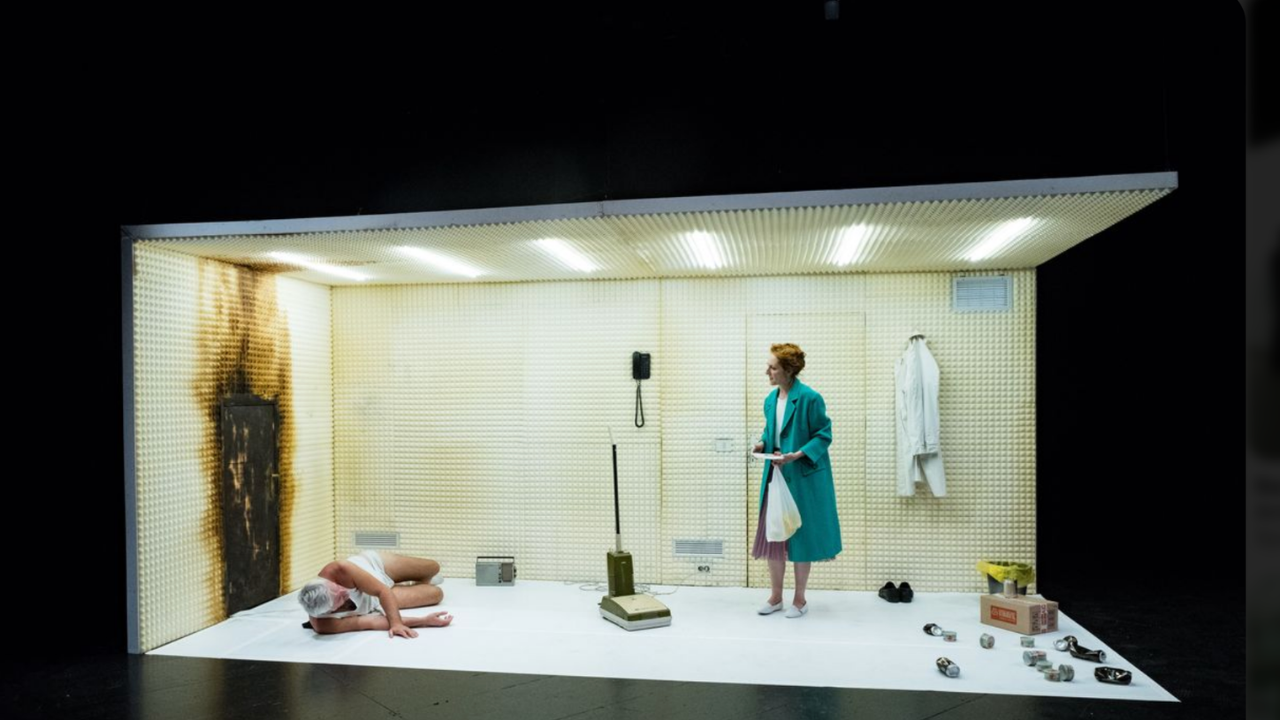
In my previous research, over 50% of respondents said a version of “I don’t know who the fuck I am anymore” while they were in burnout. These were seasoned executives with 15, 20, 30 years of apparel leadership behind them.
When you’re in it, burnout feels like “I’m tired” has become your whole identity.
Version 10.2 is who you want to become on the other side of that endless fatigue, if you can even see it. Envisioning my identity after burnout was the first, and hardest part, of my recovery.
My version 10.2 has values. Wisdom, integrity, kindness, community, creativity. I have a Values Deep Dive exercise for clients, and it was time to do it for myself: rank your top 5, define them, and then get real honest about how you embody them day to day. Coming out of burnout, it was a humbling realization that the values I held didn’t match how I was living.
The version of me after burnout appreciates nuance. You can be strong and soft. You can be creative and strategic. You can care deeply and take time away. You don’t have to regret who you’ve been to honor and outgrow her. A next chapter doesn’t have to be a repudiation of the last one. Your decades of experience are raw material for what’s next, not instructions for what you should repeat.
What I Now Know: Your identity contains all the versions of you, and following those breadcrumbs leads you to the version on the other side. Burnout makes that seem inaccessible. Exploring and honoring it is an essential part of recovery.
THE CAPACITY REFUEL: TUNING INTO MY OWN NEEDS AS AN ACT OF SERVICE TO OTHERS.

Sixty-five percent of respondents were in “the squeeze” - a compressed space between their teams, the board, operational pressure, and their own lives. One described having a dull band of pain behind their eyes at all times.
During burnout, my “pauses” looked like hours-long rumination spells (why aren’t I engaged? I’m a shitty leader. I feel so guilty because I should love this but I just can’t anymore).
I created a method that tracked anything that broke through the numbness. Things that made it into the tracker were short spurts of time and energy into community, deepening friendships, yoga, writing. Endless hours of arthritis-inducing writing. Nightly meditation, woo that's actually got gritty science behind it. Exploring Human Design with a new thought partner. As an executive, I made the decision that rest was part of the job, not an exception to it. That's a big change when you've spent decades equating your value with your productivity. It was fundamental and difficult, but it worked.
Little cracks of space opened up. Paying attention to what lights me up helped, even when it had no obvious relationship to the rather sensible plans I’d had for myself.
What I Now Know: Track what brings your creativity online. Creativity needs capacity. Do it in good company.
THE VISIBILITY FACTOR: ALLOWING MYSELF TO BE SEEN.

Sixty percent of respondents felt like their creative ideas were getting shot down before they’d gotten airtime in the product review. They started self-silencing. I know it all too well.
In hindsight, I see I’d started to censor myself as the burnout built up. Blending into the conference room walls became my go-to. No one could touch me if they couldn’t see me. Even me. I was ending my story before I’d even written a chapter.
Getting to the other side of it asks that you let yourself be seen and known. That is true whether you’re leading yourself through a late-career pivot or a 17-person team in a billion-dollar brand. When being visible felt like too much, I’d ask myself, “If I say what I want to say, will using my voice increase my energy or drain it?” That question alone helped me decide when to speak, how often, and what tone to use.
This is vulnerable, strong stuff. It takes energy. My choice was to be judiciously open about my burnout with friends, loved ones, a select few trusted colleagues, and to invest in therapy and coaching. All nudged me out of hiding and it was immensely helpful.
Being seen means knowing yourself first. I’d been giving pieces of myself away for so long that I realized I was asking for everyone else to tell me about me. Simple lists helped. The beloved pieces in my closet I’d wear on repeat gave me comfort and a way to see myself. An awfully funny list of words I love and hate in my phone notes let me practice self-expression before speaking. The types of coffee I liked, all made at home, reminded me of who I was underneath the weight of burnout. Knowing these things made me more comfortable being seen, one outfit or coffee at a time.
If we want to be seen, we have to see. Including ourselves.
What I Now Know: Rediscover how to see yourself to allow others to see you. The hypervigilance will start to drop away. My money says this is an ongoing body of work for many.
THE ENERGY GUIDE: WHERE YOUR ATTENTION GOES, YOUR ENERGY FLOWS.

70% of research participants described profound creative fatigue that went beyond tired and needing a nice vacation. They were depleted on a mental, physical, emotional and energetic level.
You can’t build nothing from nothing. An energy-stabilizing reset was necessary.
The anxiety and depression that accompanied my burnout kept me in a chronic rumination loop. I was mentally fixing systemic issues, other people’s perceptions of me, and regrets I couldn’t undo. I was spending an enormous amount of energy on things that more thinking could never resolve.
So I started noting the rumination. When did it start? How intense was it? What was happening in my body?
That practice invited me to become an observer of the thought loops, instead of living inside them, which gave me a little more choice: Will this rumination change anything?
If no, I sat with big feelings of grief, regret, overwhelm, fear. Feeling the feels took less energy than trying to think my way out of them. “This is not a time to think your way out, Jen,” said my watchful therapist.
If yes, what do I want to do with this energy? Maybe there was a conversation to have or some small action I could take. The energy had somewhere to go.
Over time, I regained agency over my attention. Time felt less compressed and things had a greater sense of ease. My intuition and creativity came back online, slowly. My relationships deepened, with others and myself.
Now I decide where my energy goes. There’s still a few leaks now and then, but it’s easier to see them as cues to tune in.
What I Now Know: Noticing where energy goes and directing it well is a buildable skill. I do an Energy Audit frequently, and when I notice it going somewhere that isn't serving me, I redirect it.
THE CULTURE ROOM: AM I IN THE RIGHT ROOM?
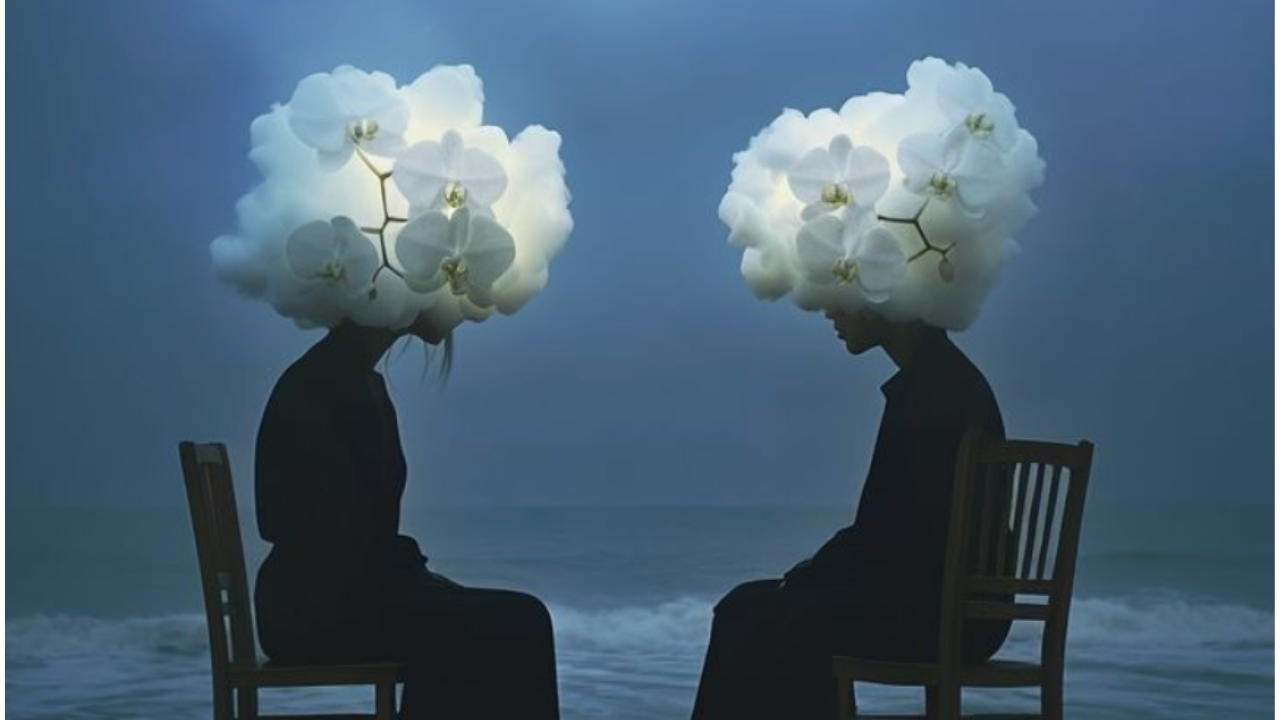
Just over 40% of respondents called out cultural challenges as a major performance block. For me and several others, the impact was self-gaslighting.
Was that inappropriate? Am I overreacting? Looking back, I had to grapple with my role in what I brought into those rooms.
I wasn’t taking care of myself in ways that would allow me to walk into a challenging product review resourced enough to handle it. I interpreted every raised eyebrow as a threat and became increasingly self-protective. I gave too much attention to things I couldn’t control and not nearly enough to the things I could. Sometimes I stayed too long. Sometimes I gave other people’s behavior the energy that I would now reserve for me.
Burying it all under a veneer of engagement cost me additional energy.
I could predict which meetings would come with big feelings and an outsized number of opinions. Stall #3 in the ladies’ room became my sanctuary and the development center for a new habit. I’d do several rounds of physiological sighs, feel my feet on the ground, or do a silent scream. It felt weird and wasn’t a magic bullet, but it got my head and heart back online.
In burnout, your threat detection system is online all the time. Part of my recovery has been learning to trust my read of the room again without treating every uncomfortable moment as proof that I’m back in the wrong one.
And then there’s the harder question: Am I in the right room? Or am I the room?
At some point in executive leadership, culture isn’t only something that happens to you. You participate in making it. You can hate the urgency machine and still be the person keeping it running. You can want a healthier culture while showing up too depleted to help create one.
That’s been the uncomfortable gift of distance. I can see now what wasn’t mine, what absolutely was, and where I gave away my agency by believing the only choices were to tolerate it or get the hell out. It was never an either/or.
What I Now Know: I can walk into any room now and choose what I bring into it, and what I let it take from me. Usually. The energy we bring into the room is the energy people take out of it.
THE BOTTOM LINE: WHAT NOW?
Two years into my own recovery, I see that burnout was a temporary narrow lens that I used to define myself longer than necessary. It’s part of my story, and only one very meaningful chapter of it.
Burnout doesn’t “give us gifts,” but it places our attention on the habits we’ve built and the stories we’ve absorbed. What we do with that information is up to us.
The invitation to revisit the previous article felt like permission to see how far I’d traveled and to notice how much I’d changed.
Life has more color now. I trust myself more. I pay much closer attention to where my energy goes and who I’m working with, and what energy I’m putting out into the world and into myself. It’s easier to let myself be seen now, and my creativity is far more accessible to me than it was in recent years. I’m more interested in becoming Jen 10.2 instead of studying the one who discovered herself deep in burnout.
The systems that contribute to burnout are human systems. They need change. And the humans inside them need enough energy, capacity, and agency to create that change.
People have asked how I pulled out of burnout, specifically. That's another article. After working with many people in this space, here's what I know: each road is unique, and so is what works. That's the hardest and most rewarding part of the job.
Before and after that first article went live, I coached apparel brand founders, C-suite executives, and creative leaders in, or near, burnout. Wiseroom’s six-month Residency was built around that research. But a program only for burnout isn’t sufficient anymore. We are much bigger than our burnout and we deserve to go beyond that experience.
Now I’m creating the 2.0 version, helping experienced creative executives use more of what they already have: judgment, creativity, and decades of hard-won experience. That means expanding who they are as leaders, whether they’re navigating the next chapter or leading a billion-dollar business.
I don’t recommend burnout as a path to self-discovery. There are better ways. Yet often we find ourselves there anyway.
I don’t know exactly what comes next. But I have enough of myself back to choose.
If you’re there, there is something on the other side.
Jen Shaw is the founder of Wiseroom Studio, where she coaches and advises experienced creative executives as they expand how they lead and navigate what’s next. A former VP of Design with 30 years inside the apparel industry, Jen brings together creative instinct, hard-won leadership experience, coaching, and an ability to see patterns and connect dots others might miss. Her work helps leaders put their energy in the right places, use more of the judgment and wisdom they’ve already earned, and create more room for their next chapter.
If you’d like to connect with Jen, you can find her here.
Access to this expertise starts here: www.wearetheboard.co
THE BOARD sits at the intersection of Brand, Business, and Culture—offering fractional leadership, project-based experts, and curated teams to help you move faster, smarter, and with far less risk. info@theboard.community
