

By Lacey Norton, Commercial & Operations Executive
Every Thursday, THE BOARD brings you industry insights from our Members to your inbox.
WHAT IS WORLD BUILDING? AND WHY BRANDS ARE TAKING NOTICE.
PART TWO (check out last week’s BOARD BRIEFING on the Architecture of Brand Immersive Experiences.)
From singular experiences to ecosystems of belonging.
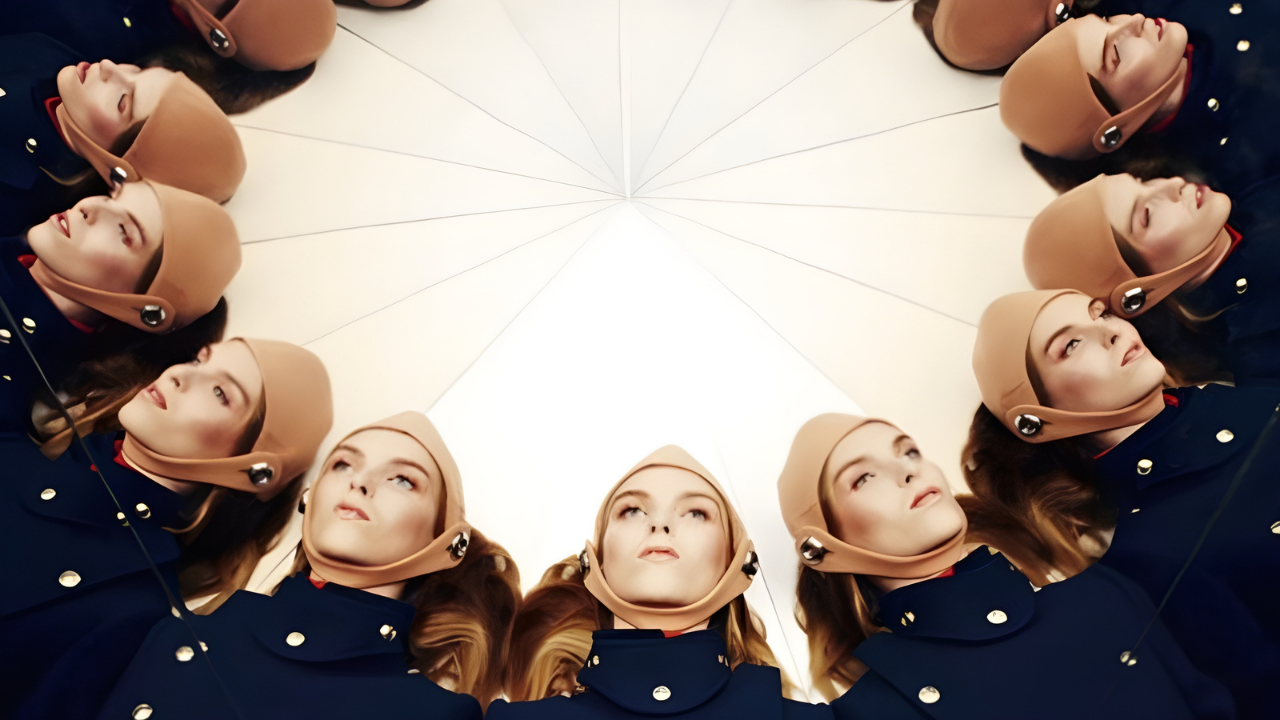
Over the past year or so, the term world building has been showing up with increasing frequency across industries, brand conversations and cultural discussions. I did not think much of it at first, just another buzzy word having a moment. But as I began seeing individuals refer to themselves as world builders, it gave me pause. Enough to look more closely at what the term actually means and why it is gaining traction now.
At the same time, brands are also making structural commitments that suggest something more fundamental is shifting. Gap Inc. recently appointed Pam Kaufman as its first Chief Entertainment Officer, with CEO Richard Dickson describing entertainment as a critical link to the consumer and noting that today's customers are not simply buying products, they are buying into brands that tell compelling stories and drive cultural conversations.
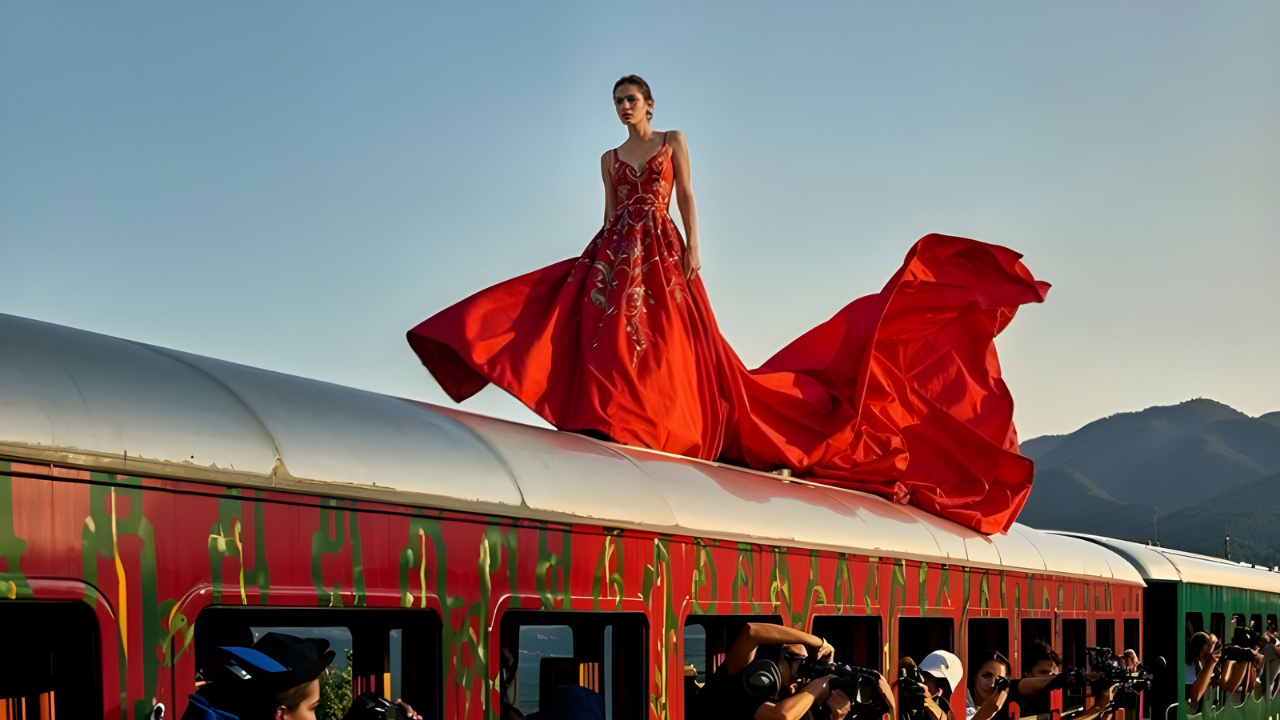
Culturally, we are seeing similar signals. Jacquemus has been widely covered for its surrealist campaigns, destination runway shows, and tightly controlled visual universe that extends seamlessly across physical and digital environments. While not a corporate restructuring, the brand demonstrates how coherence across touchpoints begins to resemble something more immersive than a series of campaigns.
In my previous briefing, I explored how immersive experiences are constructed at the intersection of design, systems, and culture. That foundation remains essential. But as brands reinvest in physical spaces and cultural presence, the question evolves. Physical experiences now play a different role. Not as the whole story, but as grounding points within a much larger ecosystem. What is emerging is not simply a revival of investment in physical and cultural experiences, but a shift toward designing worlds.

Before adopting the language of world building, it is important to define what it means in a brand context.
World building is less about adding experiences and more about designing how those experiences interconnect. It is the deliberate alignment of how a brand shows up across physical and digital environments so that each interaction reinforces a shared story over time. It is how a brand's vision, mission, and values are translated into something lived.
Experiences can be powerful and still exist in isolation. A world emerges when those experiences relate, build on one another, and remain consistent across channels and environments. The distinction matters. Experiences are attended. Worlds are inhabited.
World building begins with a clear and honest understanding of what the brand stands for. Every interaction either strengthens or weakens the world a brand is building.
FROM EXPERIENCE TO WORLD.

Brands have long understood the value of a great experience. The flagship store that transports you. The event that you tell ten of your friends about. The campaign that captures a cultural moment. These things matter. But they are finite. They begin and end.
A world operates differently. It does not conclude when the activation closes or the campaign wraps. It exists in the spaces between, in the content a brand produces, the communities it nurtures, the language it uses, and the values it consistently expresses. Ongoing, cohesive and designed for connection.
McKinsey's Retail Reset research reflects this evolution, noting that first-party product sales are becoming one element within a broader ecosystem that includes services, experiences, inspiration, advice, and content. While rooted in retail, the principle extends across industries. Relevance is built through ecosystems, not purely through activations.
Unlike a campaign, it cannot be paused, reset, or reinvented overnight. It accumulates. And that accumulation, over time, is what gives it meaning and allows for the building of trust.
THE ARCHITECTURE OF A BRAND WORLD.
Building a world requires the same intention applied to building a great experience, extended across time and context. World building asks how design, systems, and culture hold consistently across environments, not just within a single activation.
A brand world rests on three foundations. Purpose anchors the brand and guides decision-making. Identity expresses that purpose through visual, verbal, and behavioral consistency. Experience (both physical and digital) brings that identity into environments people can engage with and return to. When these foundations align, the brand begins to feel continuous rather than episodic. It develops a sense of place.
Translating this into practice requires discipline in three areas:
Channel definition. Not everywhere. Intentionally. Defining where the brand shows up, and where it does not, protects coherence and concentrates impact.
Clear ownership. Someone within the organization must be ultimately accountable for consistency across touchpoints. Without clear stewardship, fragmentation is likely to occur.
Shared planning architecture. Not a campaign calendar, but a connective framework that aligns teams around sequencing, continuity, and cumulative impact over time.
Jacquemus is instructive here. Its surrealist campaigns, destination runway shows, and tightly controlled visual universe are not isolated creative decisions. They are expressions of a coherent system, delivered consistently across physical and digital environments, where each moment reinforces the same point of view.
WHERE WORLDS BECOME CULTURE.
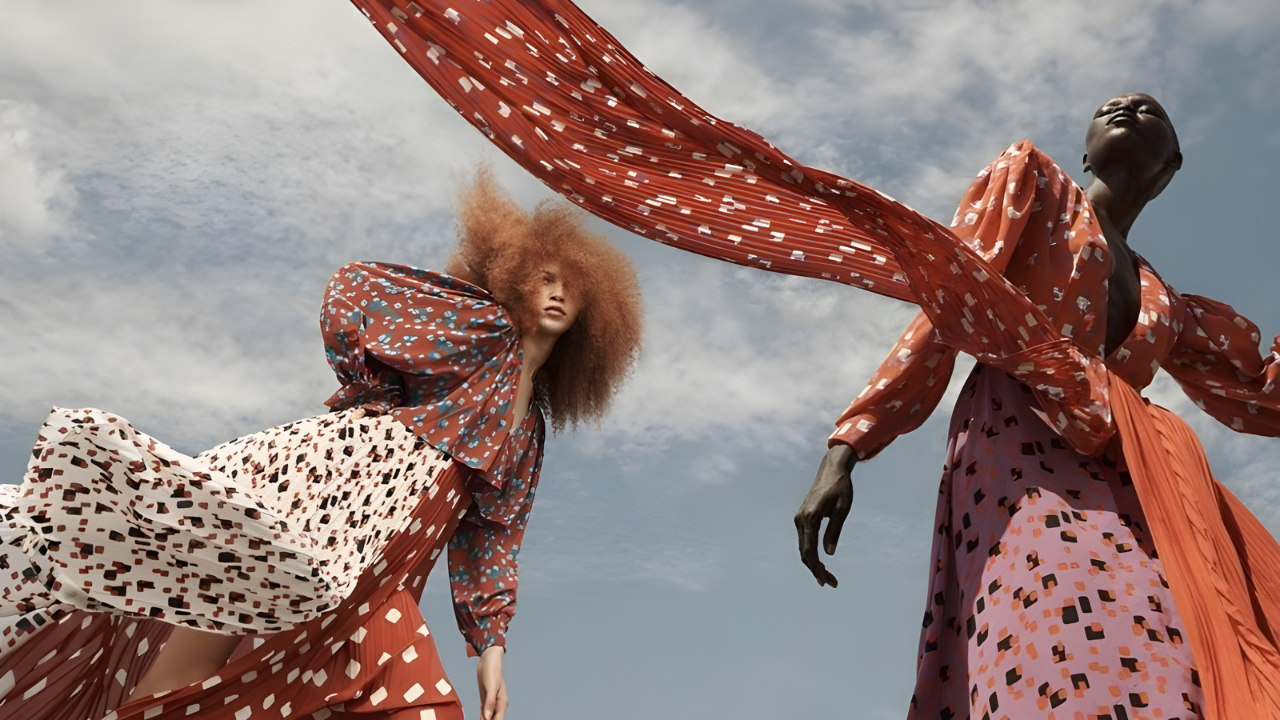
The most powerful brand worlds are not only experienced. They are participated in. There is a meaningful difference between an audience that observes and one that engages, contributes, and belongs. That shift is where a world moves from concept to culture.
Participation is a byproduct of consistency of expression. When a brand expresses a purpose that resonates, consistently and authentically across environments, it creates the conditions for people to see themselves within it. Shared language, peer interaction, gatherings, ongoing dialogue. The form matters less than the pattern. People return. They anticipate. They contribute. They connect.
Fast Company notes that while campaigns can feel performative and transactional, communities create ecosystems where customers return not only for products but for belonging, knowledge sharing, and co-creation. Belonging cannot be manufactured. It is earned through consistency, clarity, and integrity of expression. When people feel they belong within a brand's world, advocacy becomes organic. Not because it was engineered, but because the world offered something worth inhabiting.
That is the real outcome of world building. The creation of something so consistent and human that people do not just choose to visit it. They become part of it.
In a landscape where digital spaces are saturated, attention is scarce, and trust is scarcer still, the brands that will endure are not those that shout the loudest. They are those that build with enough clarity, coherence, and humanity that people choose to stay.
The brands that will define 2026 are those that understand an experience no longer begins and ends with a single event. It lives across an ecosystem. And the brands building that ecosystem with intention, are the ones creating the conditions for their audiences to participate, co-create, and ultimately belong.
THE BOARD sits uniquely at the intersection of Brand, Business, and Culture. 1:1 advisory, project-based experts, fractional leadership, and curated DREAM TEAMS help you move faster, smarter, and with far less risk. Let’s talk!
Fractional talent is the future, and THE BOARD is where it lives info@theboard.community
