

By Victoria Thomson (Judge) , CMO & Growth Strategist
Every Thursday, THE BOARD brings you industry insights from our Members to your inbox.
LESSONS I LEARNED THE HARD WAY, SO YOU DON’T HAVE TO.

I'm not ashamed to say I'm addicted to digital marketing and e-commerce (you know that satisfying Shopify cha-ching). What I love most is helping smaller businesses get over the initial hump. The journey from zero to a million is a super exciting challenge.
I didn't always feel this way. In London, I worked for larger companies like Burberry and NET-A-PORTER (which passed $1 billion in sales while I was there, a proud moment). I had no desire to work for a small business, let alone start one. Then I moved to California in 2015, and my mindset completely changed. Maybe it was joining Violet Grey when it was small, maybe it was inspiration from podcasts like How I Built This and Acquired, or maybe just something in the water, but I caught the entrepreneurial bug.
WHAT 150+ BRANDS TAUGHT ME

I've worked in-house or consulted for Cuyana, Margaux, Violet Grey, Tamara Mellon, WelleCo, Monrow, Jillian Dempsey, Violette FR, ST. ROSE, Ruby, Sluff, and more. Many of these brands were small or literally starting from scratch. Plus, auditing 150+ DTC brands at D.LUXURY Brands showed me what worked again and again, which mistakes were made up most often, and what specifically works for fashion, beauty, and wellness brands.
Most people think digital marketing is just spending on Meta and Google ads, and then they wonder why the ads don't work. The biggest mistake that I saw brands make was getting obsessed with the technical setup and churning out creative without strategy. Customers became numbers on a spreadsheet, and brands forgot they were selling to real people on the other side of the screen.
So I’ve learned to take it back to the first principles:
Customer: Who is your customer? What real problem are you solving for them, practical or emotional?
Market: What other choices does your customer have?
Value proposition: Why should they choose your product over all the other options? What makes your brand unique?
Get your value proposition right, and then design your paid strategy around the customer. Your marketing gets more efficient, sales improve, and profit follows.
I HAVE LEARNED MORE IN FAILURE THAN SUCCESS

In February 2022, I started a company that failed. I don't talk about it much for fear of being judged, but this felt like the right moment.
My mission was to help small businesses grow before they could afford a marketing team. A founder once asked me, "I can't afford a marketer, but is there an app I could use to improve my sales before hiring someone?" I thought, “No… but that’s a great idea”.
So I set out to build a self-service AI marketer that incorporated everything I'd learned. To be clear, I wasn't trying to replace human marketers. I'd just met so many founders who were stuck and weren’t going to hire anyone.
So, based on first principles, I understood the customer, I was solving a real problem, and the market wasn't crowded. But then why did I fail?
Simple: I let perfection get in the way of good enough.
I'm from New Zealand, where we have something called Tall Poppy syndrome. If you grow too tall, you get cut down. I already felt like I was doing something different, and this cultural norm made me reluctant to put anything out into the world that wasn't perfect.
So I overthought and over-engineered the product, instead of getting something good enough to market and seeing whether customers even wanted it. Reid Hoffman, the co-founder of LinkedIn, famously said, "If you're not embarrassed by the first version of your product, you've launched too late." I should have listened.
I never launched. No one ever used it. That was a tough pill to swallow.
But nothing is wasted if you learn from it. Upon reflection, here's what I would have done differently:
Simplify the solution: Define the absolute minimum to launch with to get customer feedback. Pair it back and then break it down into small steps.
Match resources to the minimum product: Align the consultants and tools to only what is needed to get the first phase done; otherwise, the next phase may never come.
Be flexible: If something isn’t working, make a change quickly. Don’t get married to the first idea if it isn’t it.
Ask for help: This is hard for me, but I should have sought more advice from people who knew what I didn't.
Test & Iterate: This is part of what I do every day from a marketing perspective, but when it had my name on it, it felt different.
Even though it didn’t work, I don’t regret it. I hope this helps some of you who might be letting fear hold you back or are scared to put something out there. Trust me, it is worse to put a ton of work into something that no one ever sees.
HOW I PICKED MYSELF UP AND STARTED AGAIN

Now I run my own consultancy and work with a few brands at a time (which I love), but I still have a burning desire to help more brands by sharing everything I’ve learned.
I'm not a writer, but I felt like I had something to say, and this time I didn't over-engineer it. I just started.
My Substack, Starter Kit, shares the tried-and-tested building blocks that I’ve seen work over and over again. I also share what doesn’t work because that’s just as important to save you time and money.
The content is step-by-step, weekly how-tos that are easy to implement, even if you don’t have any marketing experience. I want to give founders the advice I hoped my AI marketer would deliver, but now it's coming directly from me.
The frameworks center on first principles and channel implementation. They aren’t trend-focused or based on the latest tech, but fundamentals that don’t change.
My Substack is still small, but I write every week in the hope of helping just one more brand.
I've also dipped my toe back into AI, this time without building a whole company around it. Collette is an AI agent that collects, collates, and collaborates to improve your Meta and Google performance through Slack alerts. You can chat to Collette about your performance, like you would a teammate.
This time, I embraced my key learnings and did it differently. It still took months and wasn’t vibe-coded in a weekend, but I kept it simple, built step by step with limited resources, stayed flexible, asked for help, and got it in the hands of customers. Is it a fully fledged AI app? No, but it's live, it’s working, and it’s getting better every day!
MY BEST ADVICE IS TO START SMALL TO JUST GET STARTED
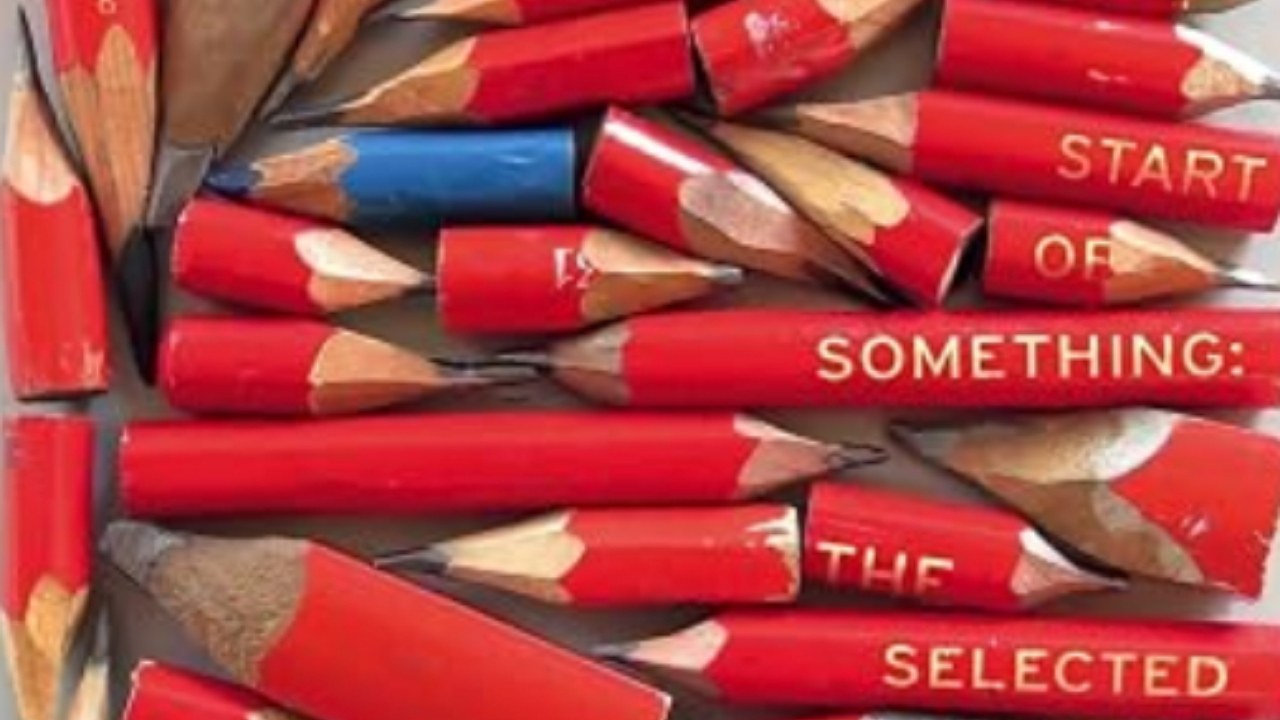
If you're starting a business or just really want to do something new, my best advice is to keep it simple. Put something out there, see if you love it, and get constructive feedback. You can always iterate, change, delete, or add more later.
I know it’s so easy to say, but actually really hard to do. There are so many reasons not to… You tell yourself people might hate it, a random person from high school might make fun of me, I don’t have time, I’m too old, I’m too young, etc.
Fear of what people would think stopped me from helping the very founders I set out to help (how silly is that!). But I’ve learned people think about you far less than you imagine and less critically than you actually think about yourself.
It’s never been easier to start a business (e.g., Shopify, AI, etc.), so it is only an idea, the business fundamentals, and our own self-doubt that are holding us back. I’ll give you the fundamentals in Starter Kit, then the rest is up to you.
Most people never start. If you’ve already started or start today, you’re already ahead of most!
Subscribe to Starter Kit - marketingstarterkit.substack.com
Sign up for Collette AI - askcollette.ai
Work with Victoria - victoria@marketingviavictoria.com
Access to this expertise starts here: www.wearetheboard.co
THE BOARD sits at the intersection of Brand, Business, and Culture—offering fractional leadership, project-based experts, and curated teams to help you move faster, smarter, and with far less risk. info@theboard.community
