
By Lesley Holmes , Brand Advisor, Transformational & Intuitive Business Coach, Speaker
Every Thursday, THE BOARD brings you industry insights from our Members to your inbox.
THE HUMAN NEEDS RESHAPING HOW WE LIVE, BUY AND BELONG
I don't think people are just chasing wellness. I think they're trying to feel alive again.
We are living through an extraordinary expansion of wellness. The Global Wellness Institute estimates the global wellness economy reached $6.8 trillion in 2024 and projects it will approach $10 trillion by 2029. That's a staggering amount of money being spent on supplements, fitness, longevity, beauty, mental health, sleep, diagnostics, retreats, recovery and all the other things we increasingly put under the enormous umbrella of "wellness."
But the money isn't actually the most interesting part to me.
I'm more interested in what's happening underneath it. What are people really trying to feel? What are they missing? And why are seemingly unrelated things like run clubs, Mahjong, longevity clinics, adult summer camps, spirituality, pickleball, analog experiences and an obsession with getting outside all growing at the same time?
Something much bigger is happening. People are reconnecting to what it means to be human.
And that matters whether you work in wellness or not.
WE DON’T JUST WANT TO BE WELL. WE WANT TO FEEL ALIVE.
For those of us who have spent years inside beauty, health, fitness and wellness, it can be easy to mistake our own echo chamber for the broader consumer. We are often years ahead in our conversations about hormones, peptides, biomarkers, nervous system regulation, strength training, sleep and longevity.
But step back from the individual trends and there is a much bigger human story emerging.
People want agency over their health and the possibility of living a big, beautiful, long life. But they also want to have fun. They want to play. They want friends. They want to move their bodies and be outside. They want to make things, pursue weird interests, fall in love, connect with nature and, increasingly, connect with God, spirit or something larger than themselves.
They want to feel good again.
Some people can name what they're looking for and call it wellness. Others are finding it at a run club, a concert, a chess table, a retreat, a dinner party or dancing badly in their kitchen.
The behaviors may look completely different. The needs underneath them aren't.
Six years ago, my life changed dramatically, and one of the greatest gifts of having to rebuild it was realizing how little time I had actually spent being in my life. I had spent years building companies, thinking about what came next, learning, achieving, performing and living increasingly from the neck up.
I had to learn to come back into my body and into my spirit. To feel pain instead of intellectualizing it. To cry. To feel joy without needing to make it productive. To move because moving felt good. To be outside. To connect spiritually. To actually participate in the life I had spent so much time thinking about. And it fundamentally redefined my definition of wellness, and how I live, work and lead.
I love science. I love innovation. I am fascinated by longevity, hormones and new ways we can understand and support our bodies. Give me the peptides and the diagnostics.
But none of it matters very much if we're extending lives people don't particularly enjoy living.
MAYBE RUN CLUBS AREN’T REALLY ABOUT RUNNING
Look at what's happening around us. Run clubs have exploded. Strava reported a 3.5-fold increase in running clubs on its platform in 2025, alongside a 50% increase in club-organized events.
I don't think everyone suddenly became obsessed with running.
I think a lot of people suddenly became obsessed with belonging.
People who have barely run before are joining run clubs. They're moving their bodies, yes, but they're also meeting friends, going outside, getting off their phones, developing a ritual and becoming part of something. And depending on the club, your odds of getting a date may be better than whatever is happening on the apps.
Pickleball gave people a version of the same thing years ago. Now we're seeing chess clubs, Mahjong groups, adult sleepaway camps, supper clubs, wellness clubs and all kinds of communal experiences pulling people back into rooms together.
There's biology underneath some of this, too. Research on synchronized group movement has found increases in social bonding alongside changes in pain threshold associated with endorphin activity. We are communal creatures. We are quite literally built to move, gather and connect.
And we desperately need it. The World Health Organization estimates that one in six people worldwide experiences loneliness and associates loneliness with more than 871,000 deaths annually.
We can spend all day debating the newest longevity intervention, but no peptide can cure loneliness.
OPTIMIZATION ISN’T DYING. IT JUST ISN’T ENOUGH.
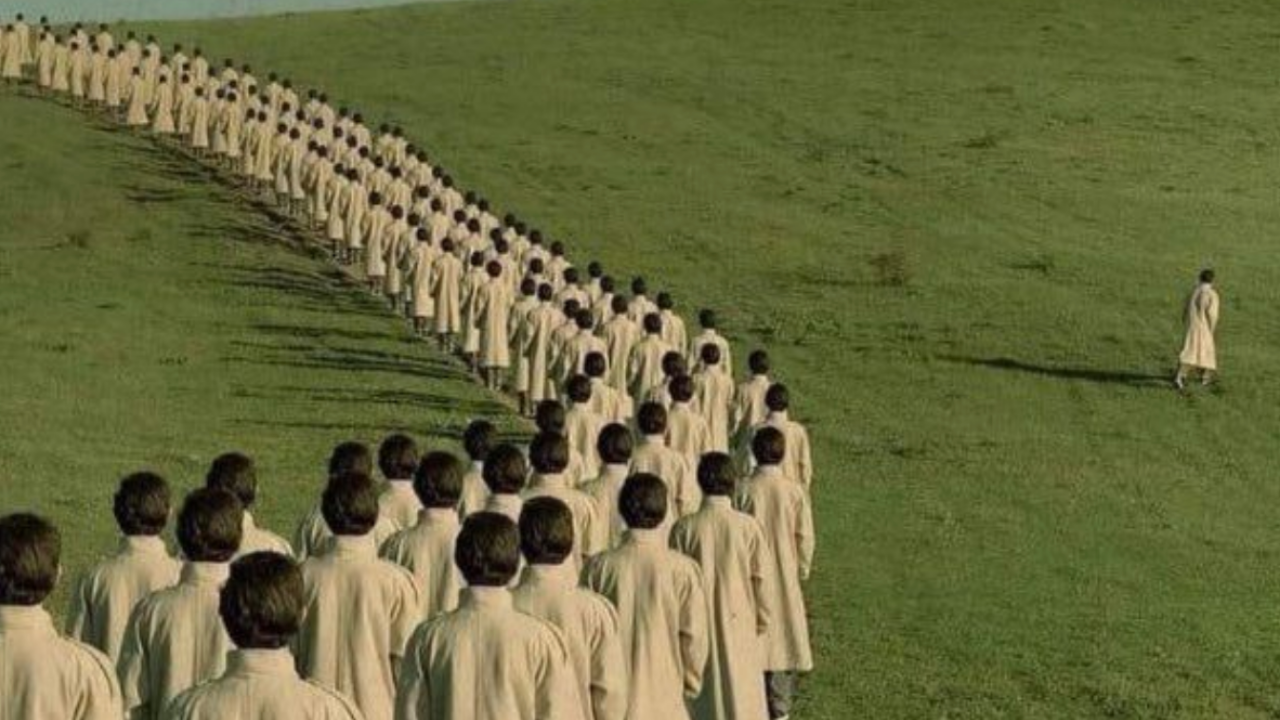
I've seen a lot of predictions lately that people are over optimization. I don't buy that. I don't think we're going to stop wanting information about our bodies, tracking our health or using technology that helps us live longer and better. I certainly won't.
But I do think we're remembering that a human being isn't an optimization project. The same woman can track her sleep, lift heavy weights, care deeply about her hormones and have an occasional Diet Coke. (It's me! I am her.) She can wear a glucose monitor and then go out for pasta with her friends. She can want to live to 100 without wanting all 100 years to feel like a performance review.
That's not inconsistency, it's simply being human. And the companies that understand that tension are going to be much more interesting than the ones that simply give us another score to improve.
If you're launching another optimization tracker, for example, don't just ask what else you can measure. Ask what the measurement gives someone back. Does it help her make a decision and then get on with her day? Does it create agency? Do you integrate with other apps or tools so it's easier? Does the data feel like pressure or a deep breath? Or have you simply given her one more thing to worry about?
Technology can absolutely support aliveness. But the best technology should eventually send us back into our lives.
THE ‘90s AND OUR CRAWL BACK TOWARD BASELINE
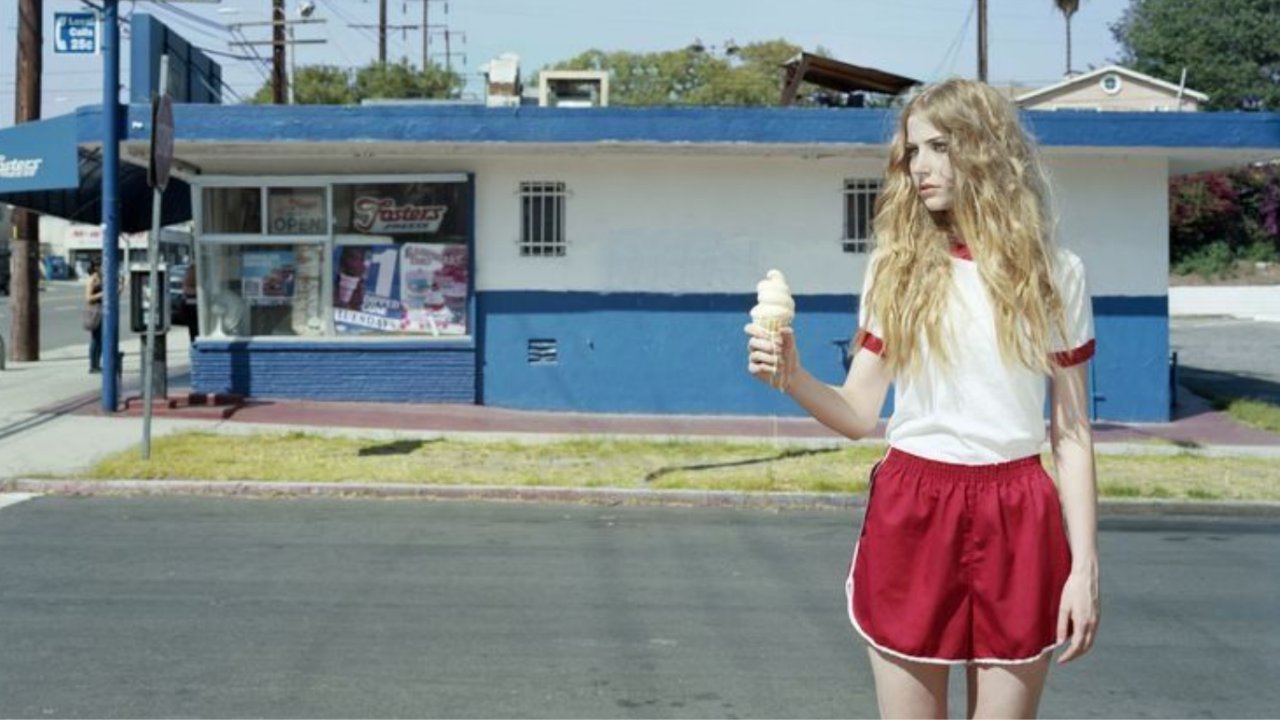
I think some of our obsession with the '90s, analog culture and nostalgia belongs in this conversation because it isn't just film cameras and clothes. It's identity.
There was something wonderfully specific about identity before all of us were constantly exposed to everyone else. There were the rock kids, the metalheads, the athletes, the theater kids. You found the people who loved your weird little thing and belonged somewhere because of it.
Social media has given us extraordinary access to one another, but it has also made it incredibly easy to smooth ourselves into the same person. People don't just want to belong somewhere — they want to be known for something. The algorithm rewarded sameness; people are quietly rebelling by getting weirder,, more specific, more themselves.
And now we're seeing people reach back toward tactile experiences, niche interests, creativity, spirituality, nature and real-world community. Beauty, art, music, movement, storytelling, ritual, nature and spirituality are not new wellness trends. Humans have used them to understand ourselves and one another for thousands of years.
So maybe we're not inventing the future as much as we're remembering some things we forgot.
THE IMPLICATIONS EXTEND WELL BEYOND TECHNOLOGY OR FITNESS
This is where the conversation becomes much more interesting for business. If you only look at wellness as a category, you see a $6.8 trillion market and start asking how your company can get a piece of it.
I think that's the wrong first question. Ask what human need is underneath the behavior.
A bank may technically provide checking accounts, credit and financial products, but underneath those products can be agency, possibility and freedom from financial anxiety. Beauty has never only been about lipstick and moisturizer. At its best, it can be ritual, creativity, self-expression, confidence, identity and transformation.
Harley-Davidson understood long ago that a motorcycle could also provide adventure, identity and belonging. A hotel isn't only selling a room. A retailer isn't only selling merchandise. An employer isn't only providing benefits. A technology company isn't only building an app.
Once you understand what people are actually trying to feel, you start seeing very different opportunities for products, experiences, services and business models.
That doesn't mean every company needs to launch a run club, call its customers a "community" or slap a wellness message onto its marketing. We are already asking brands to carry an extraordinary amount of human meaning, and consumers can smell manufactured purpose from a mile away.
Sometimes helping someone live better means giving them connection. Sometimes it's inspiration, beauty or play. And sometimes it's simply removing friction and giving them an hour of their life back. The question is what role your business can credibly play.
THE THING BENEATH THE THING
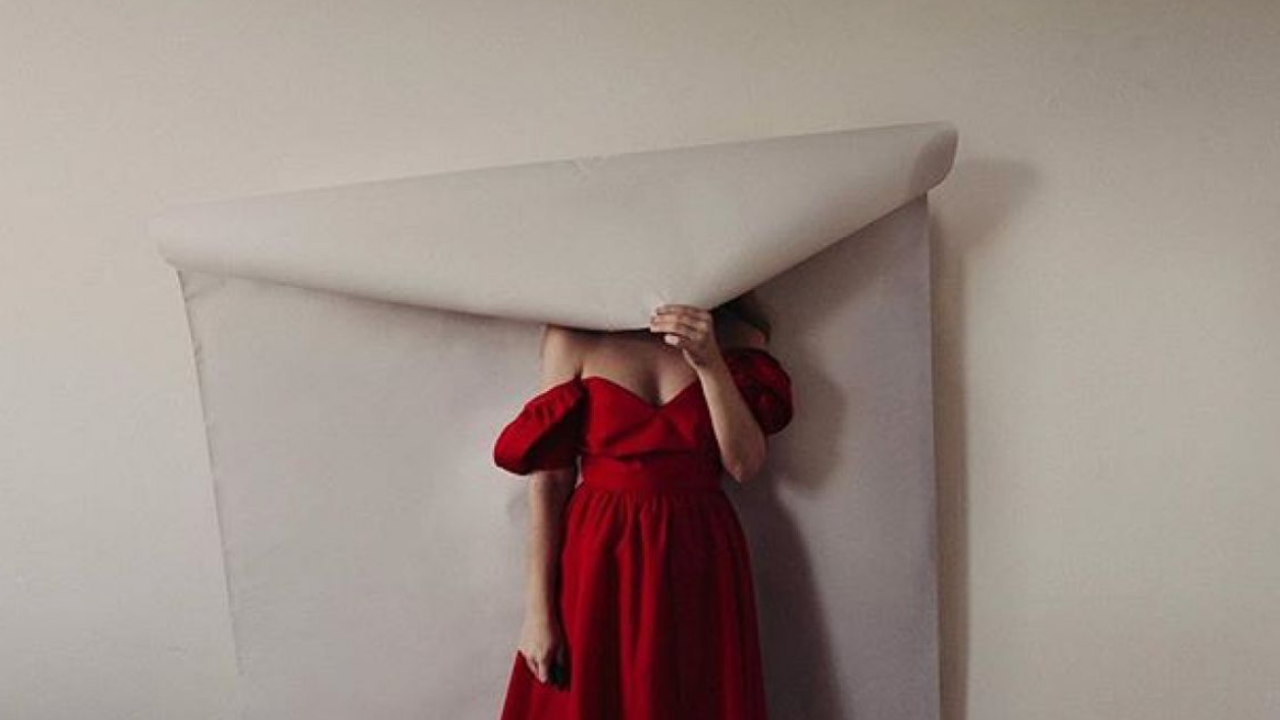
One of the things I've always been best at in my work is looking at what people are doing and asking what's underneath it. What's the emotional current? What's changing culturally? What does the consumer want that she may not even have language for yet? And what might that mean two, five or ten years from now?
Wellness happens to be an extraordinary place to watch those questions play out because our bodies, identities, fears, hopes, time and mortality all collide there.
But I don't think what's happening belongs to wellness.
I think we're watching people try to reclaim some very fundamental parts of being human: connection to ourselves, connection to each other, connection to our bodies, connection to nature, connection to something bigger than ourselves, and the freedom to actually enjoy being here.
The wellness economy may be approaching $10 trillion and that's certainly worth paying attention to. But if you're building a company, investing in one or trying to understand where consumers are going next, I think the more interesting question is the one beneath the number:
What are people trying to feel, reclaim or become, and what role can your business genuinely play in helping them get there?
When people ask what I do, the core of the answer is always the same: aliveness. The work I do with brands is about helping them come alive in a way that brings their customers alive too. The work I do one-on-one is about helping people step fully into themselves and live a life that feels healthy, big, purposeful and connected . The talks I give are about how I came back to life and how we can build lives that feel more alive.
I probably won't stop talking about this. And if there's anything I can help you bring more alive — a brand, a business, or yourself — I'd love to connect.
Access to this expertise starts here: www.wearetheboard.co
THE BOARD sits at the intersection of Brand, Business, and Culture—offering fractional leadership, project-based experts, and curated teams to help you move faster, smarter, and with far less risk. info@theboard.community
