
THE BEST MERCHANTS MAKE 2+2=6

By Parisse Majd, Fractional Chief Product & Merchandising Officer
Every Thursday, THE BOARD brings you industry insights from our Members to your inbox.
THE SOUL OF THE MERCHANT.
Somewhere along the way, merchandising became a math problem.
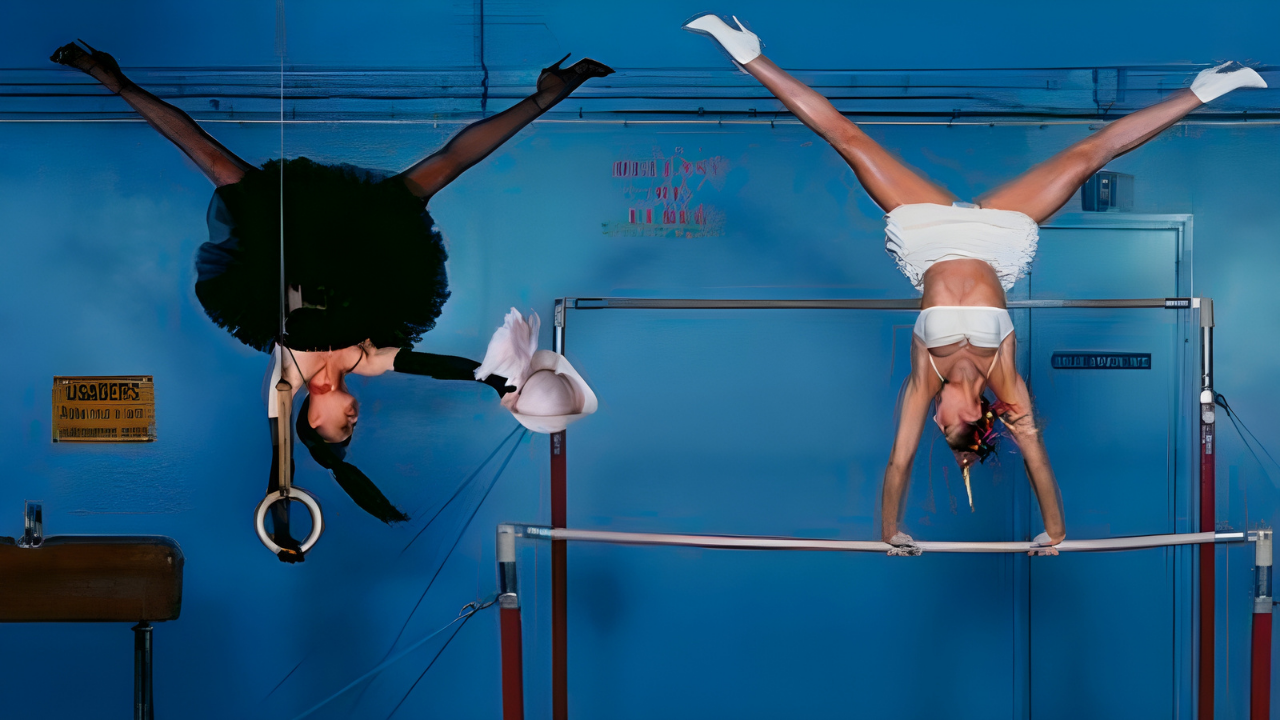
Dashboards replaced gut calls. Optimization replaced point of view. Entire platforms now promise to automate assortment decisions, forecast demand, and remove human bias from the process.
But merchandising was never meant to be purely logical. At its core, it has always been emotional, intuitive, and cultural. It is one of the few functions in a company where instinct can outperform the algorithm.
In 2010, The New Yorker profiled Mickey Drexler, often called the Merchant Prince, in a piece simply titled The Merchant. More than a decade later, recruiters, founders, and operators still reference it to understand a role that remains oddly hard to define.
Drexler’s explanation was simple and poetic:
“A merchant is someone who figures out how to select, how to smell, how to identify, how to feel, how to time… and how to hopefully have two plus two equal six.”
That sentence has outlived countless trend reports, dashboards, and forecasting models because it captures something deeper. Merchandising is not just analysis. It is instinct.
And instinct does not live in a spreadsheet.
THE MERCHANT AS THE BRIDGE.

After more than fifteen years in merchandising across global brands, I have come to believe that the best merchants live at the intersection of two forces: creativity and financial discipline.
Both matter. But the magic happens when the balance tilts toward creativity.
Data tells you what is happening.
Creativity tells you what could happen.
A merchant’s job is not simply to read the numbers. It is to interpret culture, anticipate emotion, and translate both into product that sells. It is about deciding not just what to buy, but why it should exist at all.
That is the difference between selling inventory and building a brand.
WHAT THE MERCHANT PRINCE UNDERSTOOD.
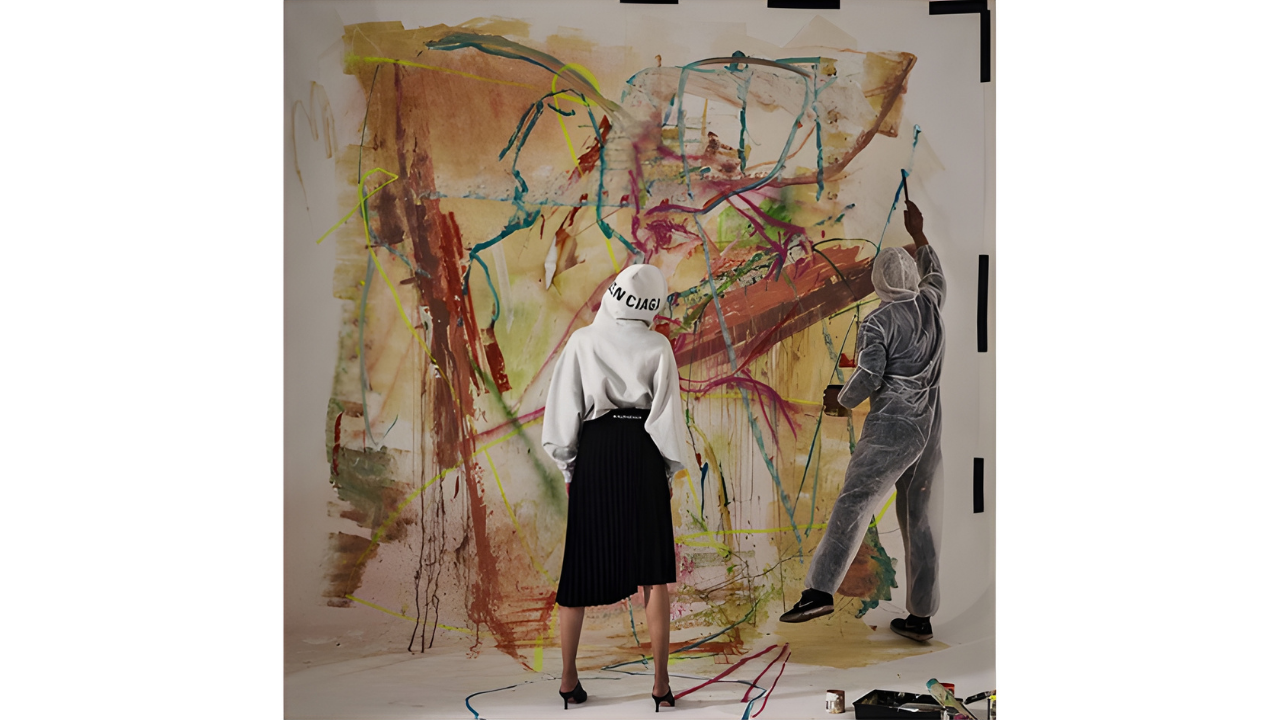
In The New Yorker piece, Drexler pushed back on overly simplistic definitions of merchandising. When junior merchants described it as simply investing in goods and selling them, he rejected those answers. They ignored the eye and the gut, the visceral feeling that something will sell.
He compared merchandising to painting.
“It is basically putting together a painting. And you cannot argue with a painting.”
That idea feels radical in today’s environment.
Because much of the industry is now being told that merchandising can be optimized, automated, and eventually replaced by platforms that promise better forecasting, cleaner dashboards, and smarter allocation.
Those tools are powerful. They help merchants see faster, react quicker, and reduce risk.
But they do not replace the merchant. They sharpen the merchant’s decisions.
THE LIMITS OF THE MACHINE.
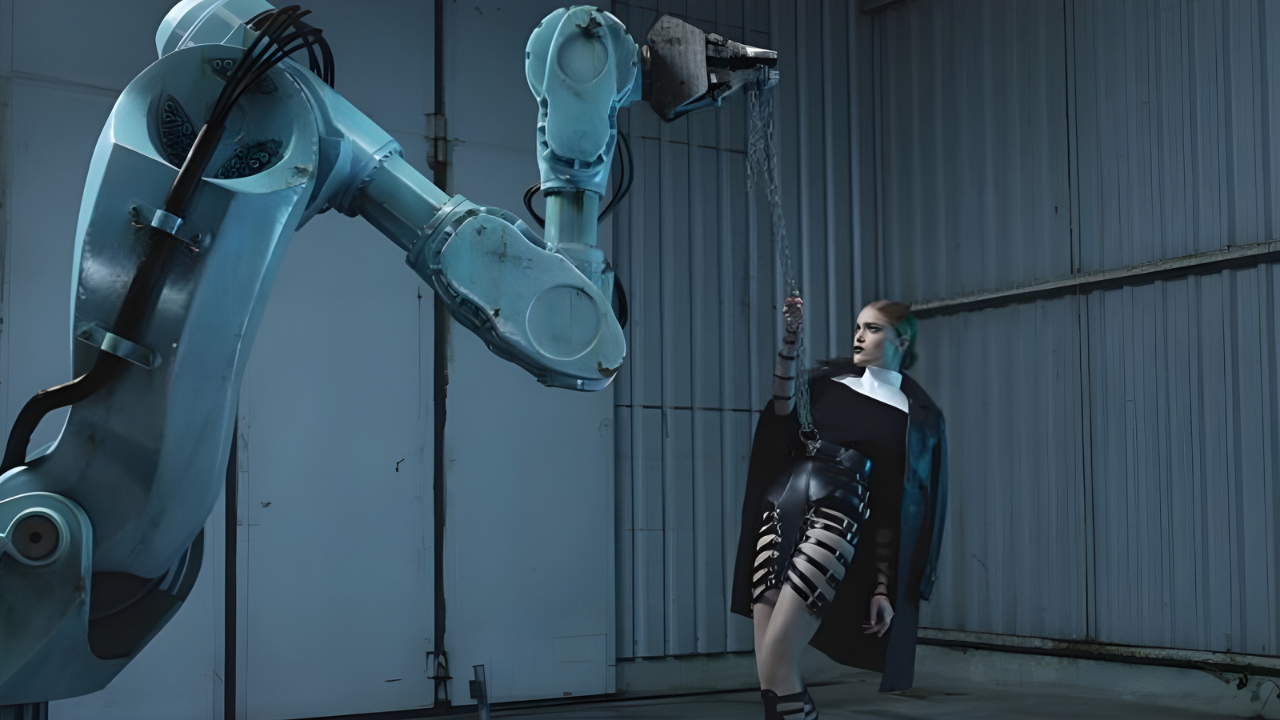
Today, merchandising platforms can forecast demand, optimize inventory, analyze sell-through, and recommend assortment mixes. All of that is useful and necessary.
But none of them can feel a fabric and know it will resonate. They cannot sense a cultural shift before it hits the numbers. They cannot decide to bet big on a silhouette that just feels right. And they cannot build an emotional connection between product and customer.
A platform can tell you what sold last season.
A merchant decides what deserves to exist next season.
That is the difference between optimization and vision.
WHERE THE REAL VALUE LIVES.

Throughout my career, the merchants who changed businesses were not the ones with the cleanest spreadsheets.
They were the ones who took calculated creative risks, knew when to double down on a hero product, understood timing as an emotional lever, and built assortments that told a story instead of just filling a rack.
They used data, but they did not worship it. They let it inform their decisions, not define them.
Because when merchandising becomes purely mathematical, every brand starts to look the same. The same silhouettes. The same color stories. The same optimized assortment.
Optimization without instinct leads to sameness.
A PERSONAL NOTE.
If you have worked with me over the years, you have likely seen this philosophy in action.
My approach to merchandising has always leaned toward creativity and instinct first, with data as the guardrail, not the driver. The numbers matter, but it is the eye and the gut that create the breakthrough product, the hero category, the moment that customers actually feel.
Again and again throughout my career, I have been called a unicorn in the industry. Someone who could balance the creative and the financial, who could speak both design and margin, both storytelling and sell-through. But it should not be that rare. That balance is exactly what a true merchant is meant to be.
The best merchants live in the middle, but with a bias toward instinct. Because instinct builds brands. It creates emotional connection. It turns a product into a cultural moment instead of just another SKU.
If you are an early career merchant trying to develop that eye, that gut, and the confidence in your point of view, I would genuinely love to help. Our industry needs more merchants who trust their instincts as much as their dashboards.
Because the future of merchandising will not belong to the most optimized assortment.
It will belong to the merchant who can still make two plus two equal six.
THE BOARD sits at the intersection of Brand, Business, and Culture—offering fractional leadership, project-based experts, and curated teams to help you move faster, smarter, and with far less risk. info@theboard.community
